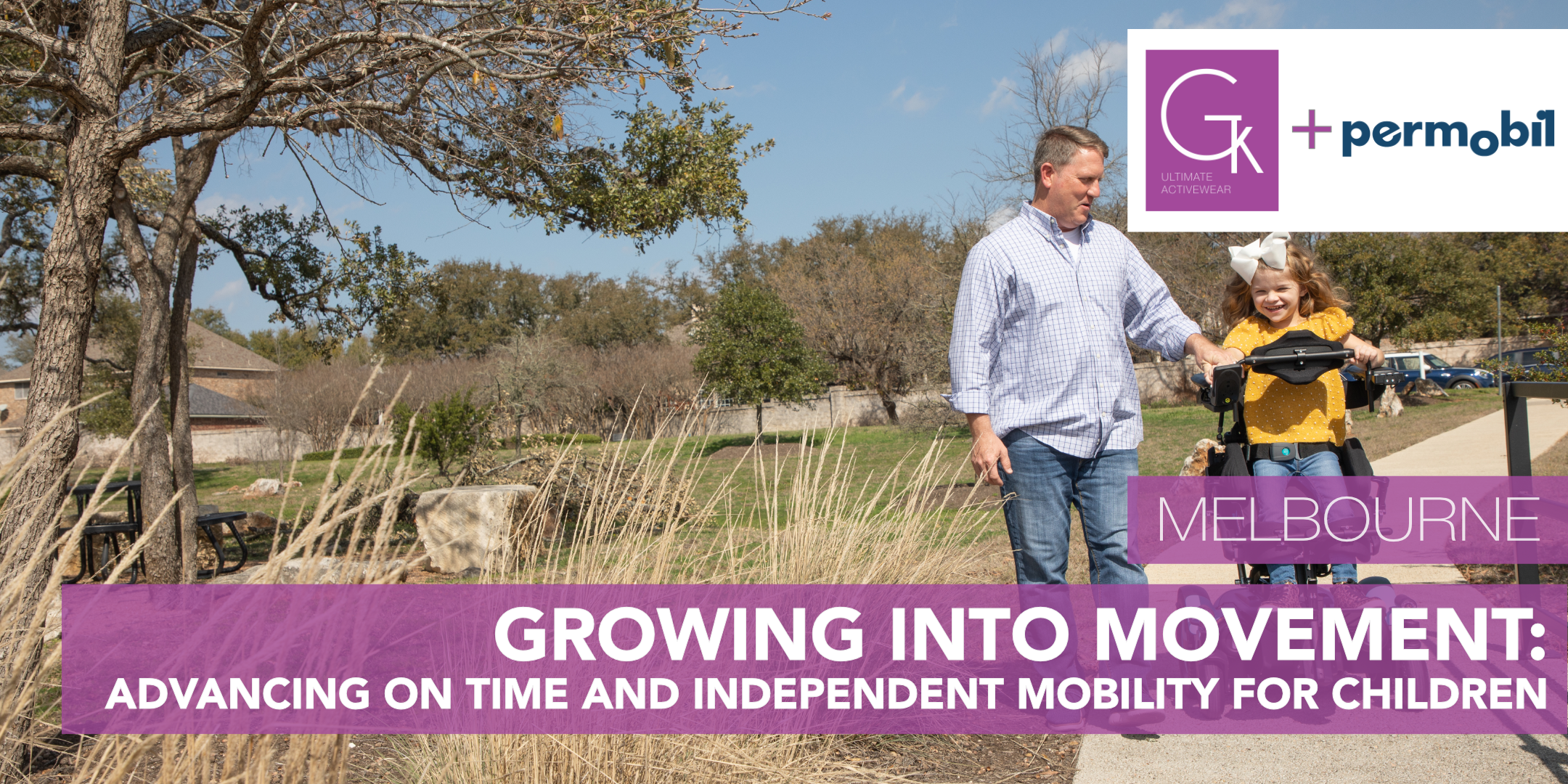
Independent mobility is one of the strongest drivers of childhood development, shaping how children play, explore, communicate, and build relationships. For children with physical disabilities, timely access to mobility- whether through manual wheelchairs or powered mobility, plays a critical role in ensuring they develop alongside their peers. Delayed mobility can restrict opportunities for reciprocal interaction, problem solving, and confidence building, making early intervention essential.
This session explores current evidence and best practice in supporting on time mobility across infancy, childhood, and early adolescence. We will examine how introducing powered mobility at an early age can amplify cognitive, physical, and social development. We will also explore how shifting away from outdated “readiness” models enables children to learn through exploration rather than waiting for skills they can only develop by moving. Alongside powered mobility, we will provide practical strategies for teaching foundational manual wheelchair skills, promoting efficient propulsion, and supporting safe independence at home, school, and in community environments.
Recognising the unique context of paediatric practice, we will also discuss the role of families, educators, therapists, and peers in fostering a culture of mobility that prioritises play, participation, and joy. This session aims to equip clinicians with tools to maximise each child’s potential and ultimately, to support children in accessing the freedom to move, explore, and simply be kids.
Learning Objectives
After attending this session, participants will be able to:
- Explain the developmental importance of on time independent mobility and how early access to manual and/ or powered mobility supports cognitive, social, and motor development.
- Evaluate key clinical considerations when introducing powered mobility and teaching foundational manual wheelchair skills to infants and children across different developmental stages.
- Apply evidence informed, family centred strategies to promote safe exploration, participation, and independence for children using mobility devices in home, school, and community environments.